In past articles, we have explored the basics of Erosion, Corrosion, Fatigue and Overload. Our emphasis has been on creating an awareness and appreciation for the value of failed components, to any investigation.
In this article we are going to delve into Fatigue a little bit more (because it is the most common fracture pattern) and see how we can use an evidence-based, deductive logic process to determine what elements of Fatigue may have been at play. We are trying to create an intellectual curiosity within the front lines about ‘making the call’…is it Fatigue, or some other fracture pattern?
[Read more…]
 Why is it that some individuals perform a

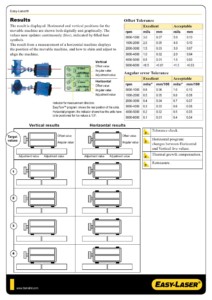 Imagine being able to look back and see what settings the equipment was last ran at for a particular SKU. Or being able to look back at the last three alignment inspections and see that slowly the alignment is drifting. What could you do with this type of information? You could perform Root Cause Analysis to see why the alignment is drifting, or trend the drifting to know when it will be out of acceptable tolerances.


 As a maintenance professional, you spend a lot of time explaining how a proper maintenance & reliability program will improve uptime, safety, etc. But why is it that there is a hard time gaining support for the improvement initiatives? Well, senior executives are focused on how the company is being a measure of performance from the shareholders, financial analysts, or owners. Most of these measures are financial in nature, and while there are others, the primary measures are financial.