Like the human body, our plant and mobile equipment will break down if it’s not looked after. If we exercise and push ourselves harder, we gain strength. Unlike our biological bodies that can self-repair, our physical plants and mobile equipment do NOT strengthen if we overload them. Yes, they will tolerate some abuse but not for long. Machinery, unlike biological organisms, can not recover from damage on its own. It needs a bit of basic care. Basic care is all about taking care of our physical assets so they continue to do what we need them to do. Take care of their fluids (e.g.: oils, coolants), keep them from running hot (e.g.: clean heat transfer surfaces like cooling fins), and keep them free of contaminants that damage their insides (e.g.: keep moisture and dirt out). In the “Uptime Pyramid of Excellence,” the pinnacle is “Choosing Excellence”. That choice implies an active application of all of the model’s components. It’s a journey, not a destination.

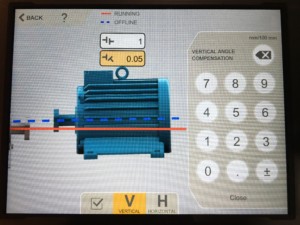 A major asset is being installed, and the asset is vital to the success of a brand new, high-profit product being introduced to the site. This product is enough to keep the site operational for many years to come. The installation of the asset is
 As the kids go back to school, maintenance, reliability, and


 The first step to any reliability improvement program is to define what
 As maintenance, reliability, and asset management professionals, we are in an amazing time. We can collect virtually limitless amounts of data on the condition of our assets. With this data, we can determine the exact condition of the assets, predict when the next